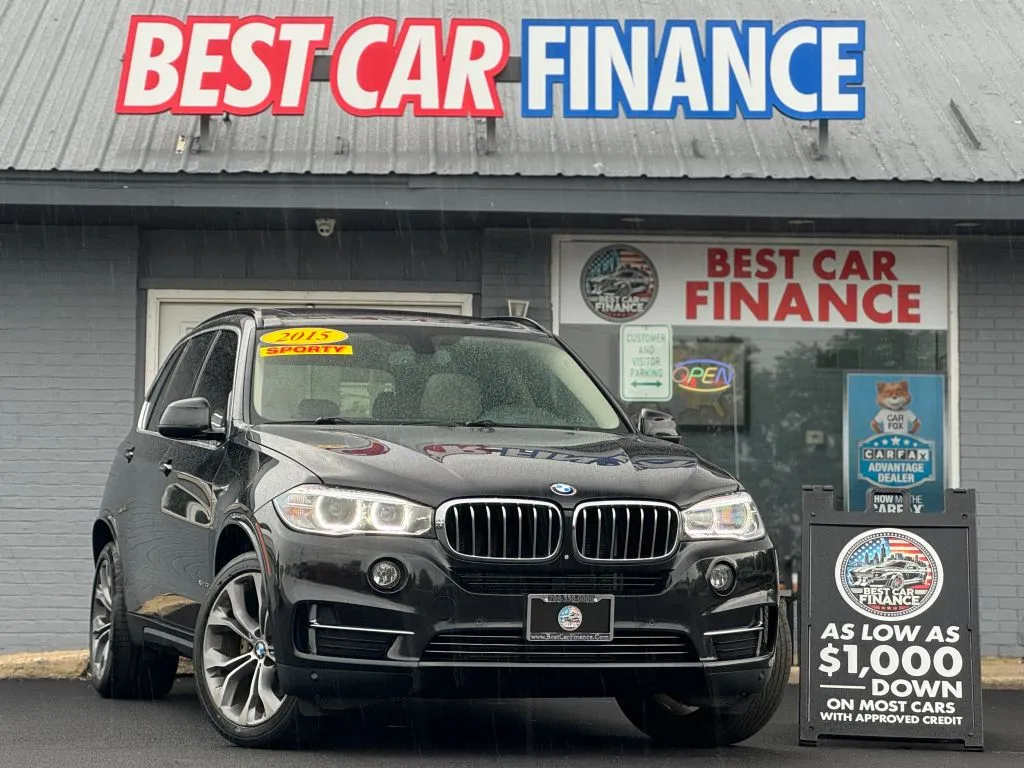
What to Expect When Shopping at a Used Car Dealership: A Guide to Buying a Used Car
Table of Contents
- What Types of Used Car Dealerships Are There?
- Franchise Dealerships
- Certified Pre-Owned Programs
- How to Buy a Used Car: Key Steps to Follow
- Understanding Financing Options
- Preparing for Negotiation with the Dealer
- What to Look for During a Test Drive
- Checking for Comfort and Features
- Evaluating the Overall Condition
- Why is a Vehicle History Report Important?
- Identifying Potential Red Flags
- Checking for Accident and Maintenance Records
- What Warranties Can You Expect When Buying a Used Car?
- Extended Warranties vs. Manufacturer Warranties
- How Warranties Provide Peace of Mind

Shopping for a used car can be both exciting and overwhelming. Knowing what to expect when shopping at a used car dealership can help ease any concerns and ensure you find a vehicle that meets your needs and budget. In this comprehensive guide, we will explore different types of used car dealerships, essential steps for buying a used car, key considerations during a test drive, the importance of a vehicle history report, and the warranties you can expect. By the end of this article, you will feel confident navigating the car-buying process.
What Types of Used Car Dealerships Are There?
Independent Used Car Dealerships
Independent used car dealerships specialize exclusively in selling used vehicles. They often offer a wide variety of makes and models, providing car buyers with ample selection. These dealerships typically have lower overhead costs, which can result in more competitive pricing on their used cars. However, since they may not carry certified pre-owned vehicles, conducting thorough inspections and research—including checking the vehicle history report—is crucial to ensuring a wise investment.
Franchise Dealerships
Franchise dealerships are affiliated with specific manufacturers and sell both new and used cars. When visiting a franchise dealership, you can find certified pre-owned (CPO) programs that provide additional assurance regarding the condition of used vehicles. These programs typically include a multi-point inspection, extended warranties, and other benefits that enhance peace of mind. While prices at franchise dealerships may be slightly higher than those at independent dealerships, you often receive more comprehensive support and assurance about the quality of the car you purchase.
Certified Pre-Owned Programs
Certified pre-owned (CPO) programs have become a popular choice for car buyers seeking used vehicles with benefits similar to those of new cars. CPO vehicles undergo rigorous inspections and come with extended warranties backed by the manufacturer. When purchasing a used car from a dealer participating in a CPO program, you can expect it to meet high standards for quality and performance, making it an excellent choice for those who want reliability without the cost of a new car.
How to Buy a Used Car: Key Steps to Follow
Researching the Right Car for You
Before visiting a used car dealership, take the time to research your options. Consider factors such as your budget, preferred make and model, and the features you need in your next car. Websites like Kelley Blue Book can help you determine a fair price for the car you plan to buy. This knowledge will empower you to make informed decisions and potentially save money in the long run.
Understanding Financing Options
Understanding your financing options is a crucial part of the car-buying process. Dealerships often offer financing plans, but getting pre-approved for a loan can give you a clearer picture of your monthly payments. When financing your vehicle, consider both your budget and the total cost of financing to avoid paying significantly more than the car's actual price. A well-structured financing plan should fit your budget while providing the flexibility needed for future financial goals.
Preparing for Negotiation with the Dealer
When visiting a used car dealership, be prepared to negotiate. Understanding the market value of the used vehicles you're interested in is crucial for securing a fair price. If you're aware of what similar cars are priced at, you can confidently negotiate based on the car's condition, mileage, and any necessary repairs. Remember, negotiation is a standard part of the used car shopping experience, and being well-prepared will help you secure the best deal.

What to Look for During a Test Drive
Inspecting Vehicle Performance
The test drive is one of the most exciting parts of the car-buying process, as it allows you to experience how a used car handles on the road. Pay close attention to how the car accelerates, brakes, and turns. Any unusual noises, vibrations, or performance issues could indicate underlying problems. Drive the car on various types of roads, including highways and local streets, to fully evaluate its performance.
Checking for Comfort and Features
Comfort is an essential factor to consider when test-driving a used vehicle. Ensure the seat height, position, and materials align with your preferences. Test all features, including the stereo, air conditioning, and Bluetooth connectivity. A car that is comfortable and equipped with features that suit your lifestyle can significantly enhance your driving experience.
Evaluating the Overall Condition
During your test drive, inspect the car's overall condition. Look for signs of wear and tear, such as scratches, dents, or rust on the body. Check under the hood to ensure the engine appears clean and well-maintained. If you're seriously considering purchasing the vehicle, have it inspected by a trusted mechanic. This inspection can uncover hidden issues that might not be immediately apparent and provide leverage for negotiation.
Why is a Vehicle History Report Important?
Understanding the Vehicle's Past
A vehicle history report is an essential tool when considering a used car. It provides information about the car's past, including accident history, ownership details, and service records. This report helps you make an informed decision and avoid costly surprises. Understanding a vehicle's history can also reveal whether it has been well-maintained or if it may require significant repairs soon.
Identifying Potential Red Flags
When reviewing a vehicle history report, pay close attention to any red flags. A car with multiple accidents or a salvage title may not be worth the investment. Red flags can indicate chronic issues or a lack of proper maintenance, potentially leading to costly repairs. Identifying these issues early can save you from regret and financial loss.
Checking for Accident and Maintenance Records
It's crucial to ensure that a potential used car has accurate accident history and comprehensive maintenance records. Regular maintenance plays a significant role in a vehicle's longevity and reliability. A vehicle history report provides this information, enabling you to make a well-informed purchase decision.
What Warranties Can You Expect When Buying a Used Car?
Types of Warranties Offered by Used Car Dealerships
When buying a used car from a dealership, you can often expect different types of warranties. Some dealerships offer limited warranties that cover specific issues for a set period or mileage. Understanding the available warranty options can provide added confidence in your investment. Be sure to ask the dealer for details on any warranties offered and what they cover.
Extended Warranties vs. Manufacturer Warranties
Extended warranties can be purchased at the time of your used car purchase and provide coverage beyond the original manufacturer's warranty. These warranties often include additional services and protection for several years, making them a desirable option for many car buyers. Comparing extended warranties to manufacturer warranties can help you determine the best choice for your coverage needs and budget.
How Warranties Provide Peace of Mind
Purchasing a used vehicle can sometimes feel like a gamble, but warranties offer buyers peace of mind. Knowing you have protection against potential defects or issues allows you to focus on enjoying your car instead of worrying about unexpected repairs. Whether you opt for a limited or extended warranty, having this assurance significantly enhances your used car shopping experience.
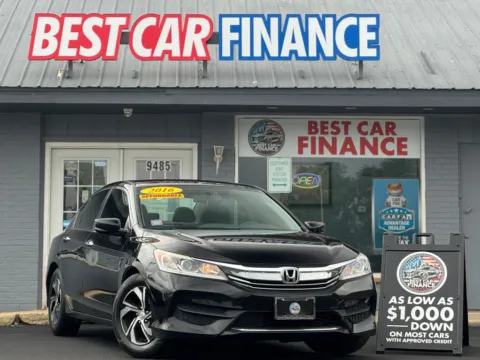
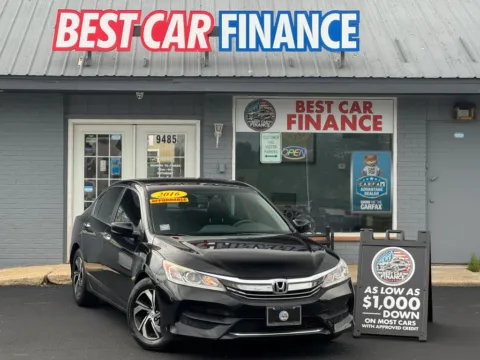
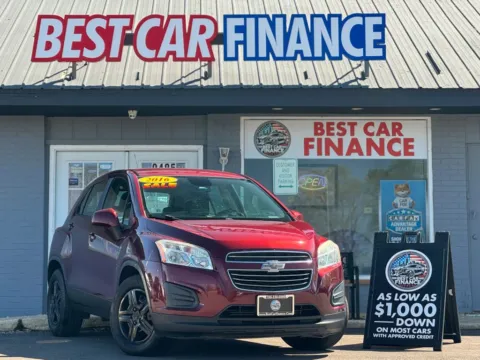
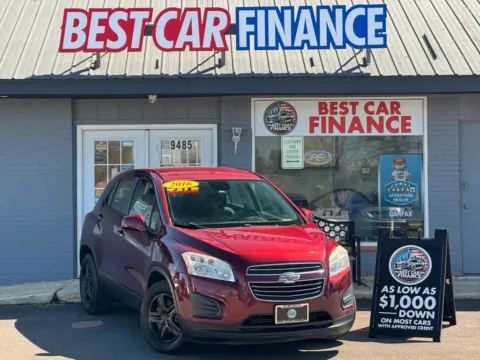
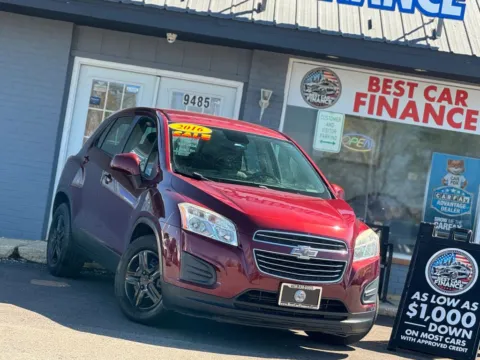
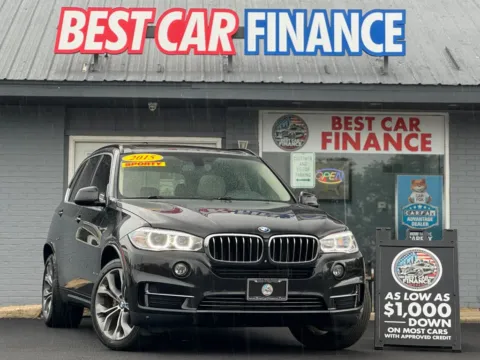
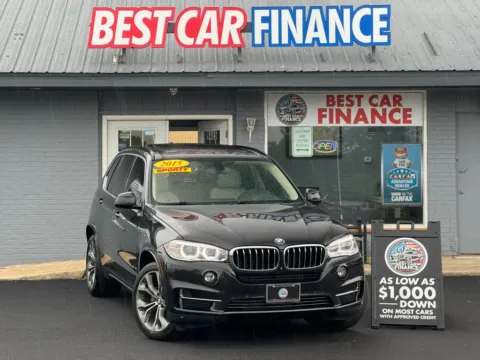
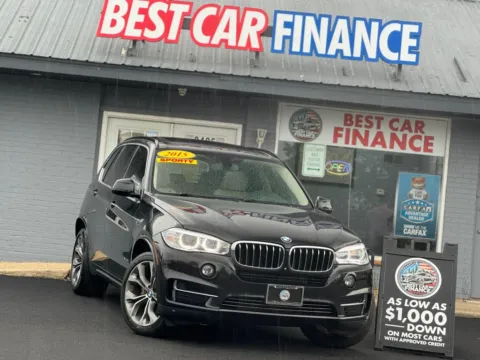
Shopping for a used car can be a rewarding experience when you're well-prepared and informed. From understanding the different types of dealerships and financing options to carefully inspecting vehicles and reviewing history reports, each step plays a crucial role in making a wise purchase. At Best Car Finance, we are committed to helping you navigate the process with ease and confidence. Whether you're seeking a reliable financing plan or expert advice on buying the best used car, we're here to ensure your experience is smooth and stress-free. Visit us today to start your car-buying journey and secure the best financing options available.
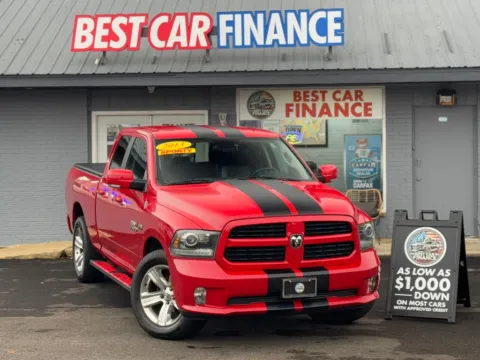
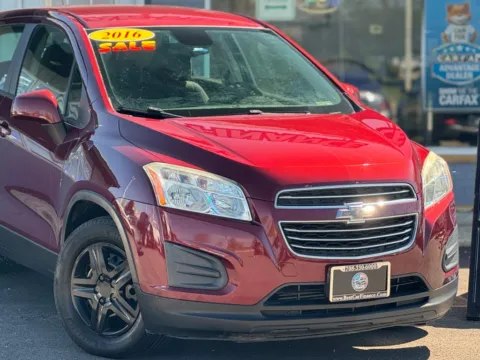
$10,997
$170/mo